Heat Pumps In Plain Terms
A heat pump is a refrigeration system that moves heat rather than generating it directly. In heating mode, it extracts heat from an outdoor air stream (air-source) or from the ground (ground-source) and delivers it indoors. In cooling mode, the same hardware reverses direction and removes heat from the house to the outdoors.
Most homes use an air-source heat pump because outdoor units are simpler to install than buried loops. You’ll often see a matching indoor air handler or a ductless wall unit paired with an outdoor compressor. In mild weather, the system may run at lower output for long periods, which can feel quieter and steadier than on-off heating.
Ground-source heat pumps use buried piping to draw heat from the ground, where temperatures change more slowly than outdoor air. That stability can improve performance, but the installation involves drilling or trenching and higher upfront work.
Pain Points And Myths
People often judge heat pumps by a single cold snap, then conclude the system “can’t handle winter.” Heat pumps do lose efficiency as outdoor temperatures drop, yet they still deliver useful heat by moving energy from outside to inside. The key question becomes how the system is controlled and what backup heat source exists.
Another frequent misunderstanding involves sizing. Oversized systems can short-cycle, which reduces comfort and can lower efficiency because the compressor starts and stops more often. A properly sized system matches the home’s heat loss at design conditions, then modulates output during milder periods.
Efficiency also depends on supporting technologies. Duct leakage, poor insulation, and drafty windows raise the heating load, which forces the heat pump to work harder. Thermostat settings matter too; many systems use outdoor temperature sensors and control algorithms that decide when to run the compressor versus when to engage auxiliary heat.
Some homes use electric resistance backup, which heats quickly but costs more per unit of heat. Others use a gas furnace for backup, which changes the economics and may require careful staging so the heat pump remains the primary source. If the installer leaves the staging logic wrong, you can end up paying for resistance heat during conditions where the heat pump would have worked efficiently.
Solutions And Practical Advice
Check Sizing And Heat Loss
Start with a real load calculation rather than “rule of thumb” guesses. A Manual J-style assessment estimates heat loss by room, accounting for insulation levels, window types, infiltration, and local climate. If your home has older ducts or noticeable drafts, the load can be higher than you expect, and the heat pump may run near maximum output more often.
As a practical aside, many contractors use software tools that produce a design-day heating load and a recommended equipment size; the output often includes room-by-room assumptions. If you see only a single number with no envelope details, ask what inputs were used. On a typical retrofit, a slightly smaller system paired with good controls can outperform an oversized unit that cycles aggressively.
Understand Performance Ratings
Look for manufacturer ratings that match your climate and operating mode. Common terms include COP (coefficient of performance) for heating and SEER or EER for cooling. In the U.S., HSPF (heating seasonal performance factor) and similar seasonal metrics help compare annual performance rather than peak efficiency.
Ratings are measured under standardized test conditions, so real-world results vary with ductwork, airflow, defrost cycles, and how often the system runs at part load. For air-source units, defrost behavior in cold, humid weather can reduce effective heating output for short periods. If you live where winter nights are cold and damp, pay attention to the unit’s cold-climate specifications and defrost strategy.
On a personal note from reading spec sheets, the same model name can appear with different efficiency tiers depending on indoor coil size and matched components. That mismatch rarely shows up in casual comparisons, so verify the full system match, not only the outdoor unit.
Set Controls For Comfort
Use thermostat schedules that match occupancy patterns, then avoid aggressive temperature swings. Heat pumps generally perform well when they can modulate instead of chasing large setpoint changes. Many systems also have “eco” modes that widen temperature bands; those can work, but they can feel uncomfortable in homes with uneven airflow.
Check whether your system has a lockout temperature for auxiliary heat. A lockout prevents resistance or furnace backup from running below a chosen outdoor temperature, shifting more work to the heat pump when it remains efficient enough. If the lockout is set too high, backup heat activates early and raises operating cost; if set too low, comfort can suffer during rare extremes.
In one anonymized scenario, a household set the thermostat to 68°F during the day and 62°F at night. The system responded by running backup heat during morning recovery because the staging logic interpreted the rapid change as a high demand event. Smoothing the schedule to 66°F at night reduced backup activation without sacrificing comfort.
Plan Maintenance And Airflow
Heat pumps need airflow to move heat effectively. For ductless systems, keep indoor filters clean and ensure vents are not blocked. For ducted systems, check for clogged filters and verify that supply registers deliver expected airflow.
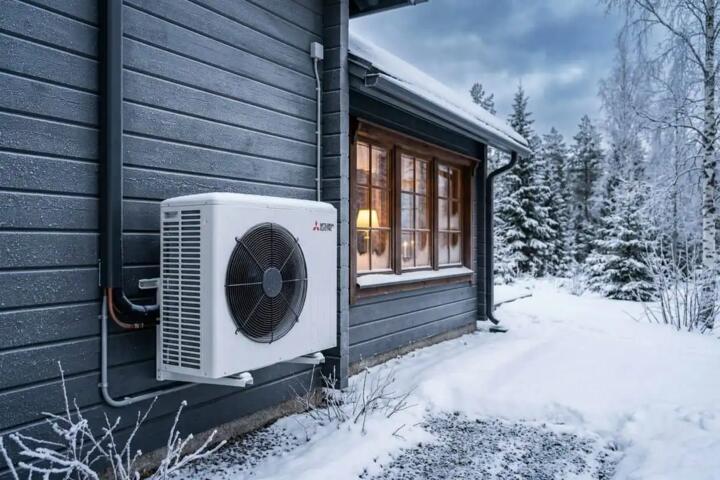
Outdoor units require clear space around the coil and fan intake. Leaves, snow piles, and landscaping barriers can reduce airflow and increase pressure, which can degrade performance. A simple maintenance habit—inspecting the unit after heavy storms—often catches issues before they become expensive.
Refrigerant charge is not a routine homeowner service, but you can watch for symptoms like persistent icing, unusual noise, or frequent fault codes. If you see repeated defrost events in mild weather, that can point to airflow problems or sensor issues, and it’s time to schedule a technician visit.
Real Home Examples
Cold Climate Retrofit With Backup Staging
A family in a northern U.S. region replaced an aging furnace with an air-source heat pump and kept the furnace as backup. During the first winter, they noticed higher-than-expected bills during cloudy weeks with temperatures around the mid-20s°F. The installer had left the auxiliary heat staging at a conservative default, so resistance heat engaged earlier than necessary.
After reviewing the thermostat settings and the system’s lockout temperature, they lowered the auxiliary activation threshold and adjusted the heating schedule to reduce rapid setpoint changes. The heat pump ran more hours at part load, and the furnace staged less often. Comfort improved because the system avoided sudden temperature drops that triggered backup recovery.
Duct Issues After Installation
A homeowner installed a ducted heat pump expecting improved comfort over a previous system. The unit ran, but some rooms stayed cool while others felt drafty. A technician found that supply ducts had leaks and that the return path was undersized, which reduced airflow across the indoor coil.
After sealing accessible duct joints and balancing airflow, the heat pump delivered more even temperatures and reduced cycling. The lesson was less about the heat pump model and more about the distribution system that determines how much heat actually reaches each room.
Comparison Decision Checklist
| Decision Area | What To Check | Why It Matters | Red Flags |
|---|---|---|---|
| Sizing | Manual J-style load calc and matched equipment | Prevents short-cycling and comfort swings | Only square footage used; no envelope inputs |
| Cold Weather Performance | Rated heating at low outdoor temps; defrost notes | Limits reliance on backup heat | No cold-climate specs; vague “works in winter” claims |
| Controls And Staging | Aux lockout temperature and backup priority | Controls operating cost and comfort | Backup runs early; no explanation of settings |
| Airflow And Ducts | Filter condition, duct leakage, balancing plan | Determines heat transfer to rooms | No duct inspection; registers feel weak |
| Maintenance Plan | Filter schedule and outdoor unit clearance | Protects efficiency over time | No guidance; ignored icing or airflow issues |
If you want a step-by-step checklist, write down your current heating fuel cost per month, then compare it to the heat pump’s expected seasonal performance using your local utility rates. After installation, track at least a few weeks of run-time and backup activation, because the first month often includes weather swings that distort conclusions.
Mistakes That Cost Money
One mistake is choosing a heat pump based only on the outdoor unit’s marketing name, then ignoring the indoor coil match and airflow requirements. Another mistake is skipping duct sealing or filter upgrades in ducted homes, which forces the heat pump to compensate for distribution losses.
Some households set thermostats to extreme temperatures to “make up for” slow recovery. Heat pumps can recover, but large setpoint jumps trigger auxiliary heat staging more often, and the system may spend energy heating the air you don’t actually need.
Installers sometimes leave airflow settings at defaults. In one anonymized case, a technician later found that the indoor fan speed was set too low for heating mode, which reduced heat transfer and increased cycling. The homeowner thought the heat pump was underpowered, but the issue was airflow.
Finally, people often ignore defrost-related comfort dips. If you notice brief drops in heating output during cold, humid conditions, that can be normal defrost operation. If the dips are frequent and long, that points to a problem like restricted airflow or sensor faults, and it’s worth investigating.
FAQ
How Do Heat Pumps Produce Heat In Winter?
They move heat from the outdoor environment into the home using a reversing refrigeration cycle. The system still needs electricity to run the compressor and fans, and performance declines as outdoor temperatures fall.
Do Heat Pumps Work In Very Cold Weather?
Many cold-climate air-source heat pumps operate down to low outdoor temperatures, but efficiency drops and defrost cycles increase. Backup heat may stage in during the coldest periods depending on the thermostat lockout settings.
What Do COP And HSPF Mean For Buyers?
COP describes heating efficiency under test conditions, while HSPF summarizes seasonal heating performance in standardized terms. Real bills depend on local weather, ductwork, and how often auxiliary heat runs.
How Can I Reduce My Chances Of High Backup Heating?
Use a thermostat schedule with smaller setpoint changes, verify auxiliary heat lockout temperature, and confirm correct staging priorities. If your system frequently switches to backup during mild weather, request a settings review.
What Maintenance Should I Do Between Service Visits?
Replace or clean filters on schedule, keep outdoor clearances free of debris, and watch for persistent icing or airflow problems. If fault codes repeat or comfort drops steadily, schedule a technician inspection.
Author's Insight
Heat pumps are refrigeration systems that trade temperature levels rather than producing heat from fuel. The biggest real-world differences come from heat loss in the building envelope, airflow across indoor coils, and control logic that decides when backup heat runs. Ratings like HSPF and COP help compare equipment, yet they do not predict your bill without considering your climate and distribution system.
When evaluating a proposal, I focus on whether the installer used a load calculation, whether the system is matched correctly, and whether staging settings match your local winter conditions. A small change in lockout temperature or fan airflow can shift monthly costs more than a minor difference in advertised efficiency.
Key Takeaways
- Heat pumps move heat using a refrigeration cycle; they still require electricity to run the compressor and fans.
- Winter performance depends on climate, defrost behavior, and backup staging settings, not only on the outdoor unit model.
- Accurate sizing and good airflow (duct sealing, filters, balanced fan speeds) often matter as much as the equipment rating.
- Track run-time and backup activation after installation so you can distinguish normal cold-weather behavior from a setup problem.