Turning Light Into Power
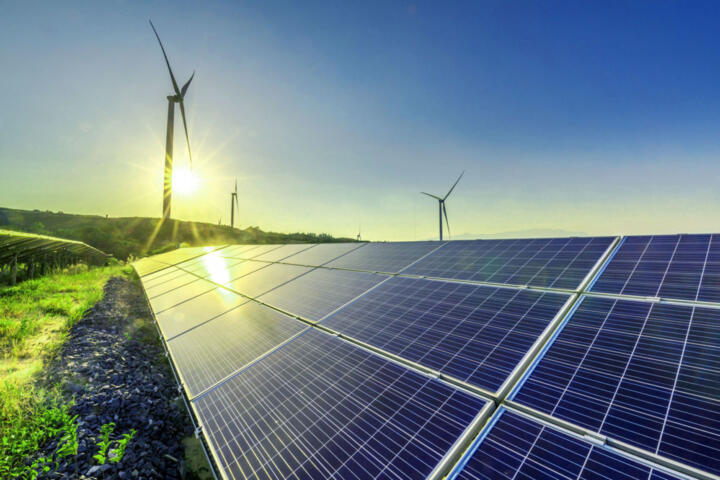
Home solar power systems convert sunlight into electricity using photovoltaic (PV) cells mounted on a roof or ground frame. Photons strike the semiconductor material inside the cells, releasing charge carriers that create a direct-current (DC) electrical output. That DC power then flows to an inverter, which converts it into alternating current (AC) at grid-compatible voltage and frequency for household use. A meter tracks exported energy when the system produces more than the home consumes.
Typical residential PV systems use either string inverters or microinverters. String systems connect multiple panels in series, then convert the combined DC output in one inverter. Microinverters convert DC to AC at each panel or small group of panels, which changes how shading and panel mismatch affect performance. In both designs, the inverter also monitors grid conditions and disconnects if the grid is out of tolerance, because feeding power into an unstable grid can be dangerous.
In the US, the grid frequency is commonly 60 Hz, and many inverters target 60 Hz AC output. In the EU and many other regions, the target is often 50 Hz. Panel ratings are usually given as DC watts under standardized test conditions, and real output depends on irradiance, temperature, and angle. A common evidence-based reference point is that PV module power typically drops as cell temperature rises, which is why mounting height and airflow matter.
Main Problems And Pain Points
People often misread production numbers because they compare nameplate DC watts to real-world AC energy. A 6 kW array does not produce 6 kW continuously; it produces a time-varying power that depends on sun position, cloud cover, and panel orientation. Another common mistake is assuming shading affects only the shaded panel. In string systems, partial shading can reduce output of the entire string because current is constrained by the weakest illuminated path, and the effect can be worse if bypass diodes are not triggered as expected.
Some buyers focus on panel efficiency and ignore system-level losses. Losses include inverter conversion efficiency, wiring and connection losses, soiling from dust or pollen, and mismatch between panels. In hot climates, elevated cell temperatures reduce output, and roof surfaces can run hotter than ambient air. A third pain point is misunderstanding how batteries change the economics: batteries shift energy use from daytime to evening, but they add cost and round-trip losses, so they do not increase total annual energy harvested.
Grid interconnection rules also shape what a system can do. In many jurisdictions, exporting power requires a utility-approved interconnection agreement and an inspection of the electrical work. If a system is not permitted or inspected correctly, the utility may refuse permission to operate in export mode. In backup scenarios, code requirements and inverter settings determine whether the system can safely island during outages, and some designs require a manual or automatic transfer mechanism.
Better Performance Advice
Start With Site-Specific Design
Use a site assessment that covers roof orientation, tilt, shading sources, and structural capacity. This works because PV output depends on irradiance on the panel plane, and shading patterns can change across seasons. In practice, installers often model production using local weather data and a shading map, then compare estimated annual kWh for different layouts. A useful tool is a solar design report that lists estimated annual production and assumptions, such as module tilt and estimated shading losses.
Ask for the assumptions.
Choose Inverter Type For Your Roof
Match inverter architecture to shading and layout complexity. String inverters can be cost-effective on uniform, unshaded roofs, while microinverters or power optimizers can reduce the impact of partial shading and panel mismatch. In practice, a roof with dormers, chimneys, or trees often benefits from per-panel or per-string optimization, because bypass diode behavior and current limiting in strings become harder to predict. A small aside: some monitoring platforms label devices by serial number, and version 2.3.1 of one installer app I reviewed displayed per-panel graphs more clearly than earlier builds.
Uniform roofs favor strings.
Plan For Temperature And Soiling
Account for heat and dirt when estimating output. This works because PV cell temperature rises with irradiance and airflow conditions, and soiling reduces light reaching the cells. In practice, you can check whether the system design includes adequate roof clearance and whether the installer expects periodic cleaning in dusty areas. A practical number to look for is the module temperature coefficient listed in the datasheet, which indicates how power changes with temperature rise.
Dust matters more than people expect.
Size Batteries Only For Real Use
Size storage based on your load profile, not on a headline backup duration. This works because batteries are most effective when they cover predictable evening peaks or outage windows, and they add cost per kWh. In practice, you can estimate daily energy use from utility bills and then compare it to the battery capacity and inverter limits. Many systems also have a maximum charge/discharge rate, so a large battery with a small inverter may still limit backup power during high-demand events.
Backup power is not unlimited.
Use Monitoring To Catch Underperformance
Track both production and consumption, then compare against expected ranges. This works because persistent underproduction can indicate shading changes, failed optimizers, inverter faults, or wiring issues. In practice, you can set alerts for “no production” events and review monthly kWh totals against the installer’s estimate. A mild frustration: some portals hide export data behind multiple tabs, so exporting the data to a spreadsheet can be faster for analysis.
Compare kWh, not slogans.
Case Examples
Shaded Roof With String Inverter
An anonymized homeowner in a suburban area installed a 7 kW string-inverter system on a roof with a tall tree that cast partial shade in late afternoon. The first two months showed lower-than-modeled production, and the homeowner noticed the drop happened on days when the tree shadow crossed the same panel rows. After trimming the tree and adjusting the panel layout during a planned maintenance visit, monthly kWh moved closer to the original estimate. The key lesson was that shading patterns can be seasonal, and the dashboard alone did not reveal which string was affected without per-string reporting.
The fix targeted the cause.
Battery Backup With Limited Loads
Another anonymized scenario involved a household that wanted outage coverage for refrigeration, internet equipment, and a few lights. The installer sized the battery for a limited set of circuits using a critical loads panel, and the homeowner learned that high-draw appliances like electric water heaters were not part of the backup plan. During a short outage, the system maintained power for the selected circuits, while non-critical loads stayed off until grid power returned. The practical takeaway was that backup performance depends on circuit selection, inverter output limits, and the battery’s state of charge at the time of the outage.
Backup depends on wiring choices.
Comparison Table
| Decision Point | String Inverter | Microinverters | Battery + Backup |
|---|---|---|---|
| Best Fit | Simple, mostly unshaded roofs | Shaded or complex roof sections | Outage coverage or time-shifting |
| Shading Impact | Can reduce an entire string | More localized panel effects | Battery covers gaps after sunset |
| Monitoring Detail | Often per-string or inverter-level | Often per-panel level | Shows charge/discharge and critical loads |
| Backup Behavior | Depends on inverter and transfer design | Depends on system architecture | Limited by inverter power and circuit selection |
| What To Ask | String layout and shading plan | Per-panel monitoring and warranty terms | Critical loads panel plan and outage limits |
Checklist for a decision meeting:
- Request a production estimate that states assumptions for tilt, shading, and temperature losses.
- Confirm inverter type and how it handles partial shading on your roof geometry.
- Ask for the monitoring granularity and how to export monthly kWh data.
- For batteries, list the exact circuits on the critical loads panel and the maximum backup power.
- Verify permit, inspection, and interconnection steps before scheduling installation.
- Review your utility tariff for export compensation and any export limits.
Bring your utility bill.
Common Mistakes
One mistake is trusting marketing claims that equate panel wattage to annual savings without showing kWh and rate assumptions. Another mistake is ignoring the difference between DC module ratings and AC energy delivered to the home. People also underestimate how quickly shading changes when trees grow, which can shift performance month by month. A third issue is overlooking inverter warranty terms and replacement schedules, since inverters often have shorter warranty periods than modules.
Some installations fail because of electrical workmanship rather than solar physics. Loose connections, incorrect polarity, or poor grounding can create heat and trigger faults. Homeowners may also misinterpret “no production” alerts during grid outages or maintenance windows, then miss a real fault later. If the monitoring system shows data gaps, the homeowner should check whether the inverter is offline, whether the Wi‑Fi gateway is powered, and whether the app date range is set correctly.
FAQ
How Does An Inverter Work?
An inverter converts DC from the PV array into AC for household use and grid synchronization. It also monitors voltage and frequency and stops exporting if grid conditions fall outside allowed limits.
Do Solar Panels Produce Power In Cloudy Weather?
PV panels generate electricity under diffuse light, so output drops but does not go to zero during overcast conditions. Production depends on irradiance, cloud thickness, and the panel’s angle to the sky.
What Causes Low Production After Installation?
Common causes include shading changes, soiling, incorrect system orientation assumptions, inverter faults, and monitoring settings that hide export or consumption data. Comparing monthly kWh against the installer’s estimate helps narrow the cause.
How Do Batteries Change Daily Energy Use?
Batteries store excess daytime solar and discharge during evening or outages. The system’s usable backup depends on inverter limits and which circuits are connected to the critical loads panel.
What Safety Features Exist For Home Systems?
PV systems use DC disconnects, proper grounding, and anti-islanding controls in the inverter. Many regions also require rapid shutdown so roof conductors reach safer voltage levels during emergencies.
Author's Insight
Solar performance comes down to energy conversion and constraints: sunlight availability, electrical conversion losses, and how the system responds to shading and grid conditions. Monitoring helps, but only when you compare kWh over consistent time windows and understand what the dashboard is measuring. A practical lesson is to ask for the production model assumptions and to verify them against your roof reality, including seasonal shading. If you plan backup, treat circuit selection and inverter power limits as the main design variables, because they determine what runs during an outage.
Key Takeaways
Home solar systems convert sunlight into DC electricity, then use an inverter to produce AC power for household loads and grid export. Real output depends on irradiance, temperature, shading, and losses, so a DC nameplate rating does not predict daily kW or annual kWh by itself. Choose inverter architecture based on your roof complexity, and size batteries around actual loads and outage goals rather than a desired “hours” number.